Zipline’s Drone Technology and Multimodal Fleet Logistics: The Future of Last-Mile Dispatch
A fleet operator’s view of Zipline’s global drone network — what it teaches ground fleets about uptime, speed and last-mile delivery.
RARowland Ortiz · Founder, Gear One Fleet Solutions · 4 min read
As the founder of Gear One, a fleet management platform used by operators across several continents, I’ve spent years helping companies keep trucks, vans, and cars on the road. But lately, I’ve been watching the skies—because Zipline International Inc., an American drone delivery pioneer, is changing the game. Since 2014, Zipline has gone from a startup to a global leader, logging over 1.1 million deliveries and 100 million autonomous miles by February 2025. For a fleet manager like me, their drone technology and operational savvy are a masterclass in logistics. Let’s talk about how Zipline’s journey is shaking up small businesses and healthcare—and what it means for ground fleets everywhere.
How Zipline Took Off: A Fleet Manager’s Take
Back in 2014, three sharp minds—Keller Rinaudo, Keenan Wyrobek, and William Hetzler—started Zipline in California with a simple goal: get critical supplies where they’re needed, fast. Every fleet manager who has fought big-city traffic to rush parts to a stranded vehicle understands that goal. Their big break came in 2016, partnering with Rwanda to deliver blood by drone. From a hub in Muhanga, they cut delivery times from hours to minutes. By 2018, a second base in Kayonza had them handling over 65% of Rwanda’s blood supply outside Kigali. That’s fleet efficiency I can respect—no breakdowns, no fuel queues, just results.
Zipline didn’t stop there. They’ve spread to Ghana, Nigeria, Kenya, Japan, and the U.S., raising $250 million in 2021 and $330 million in 2023, hitting a $4.2 billion valuation. Across these markets they deliver vaccines, medicines and more. For fleet operators everywhere, it’s a wake-up call: drones aren’t just gadgets—they’re the future of fleet ops.
The Nuts and Bolts: Zipline’s Drone Fleet
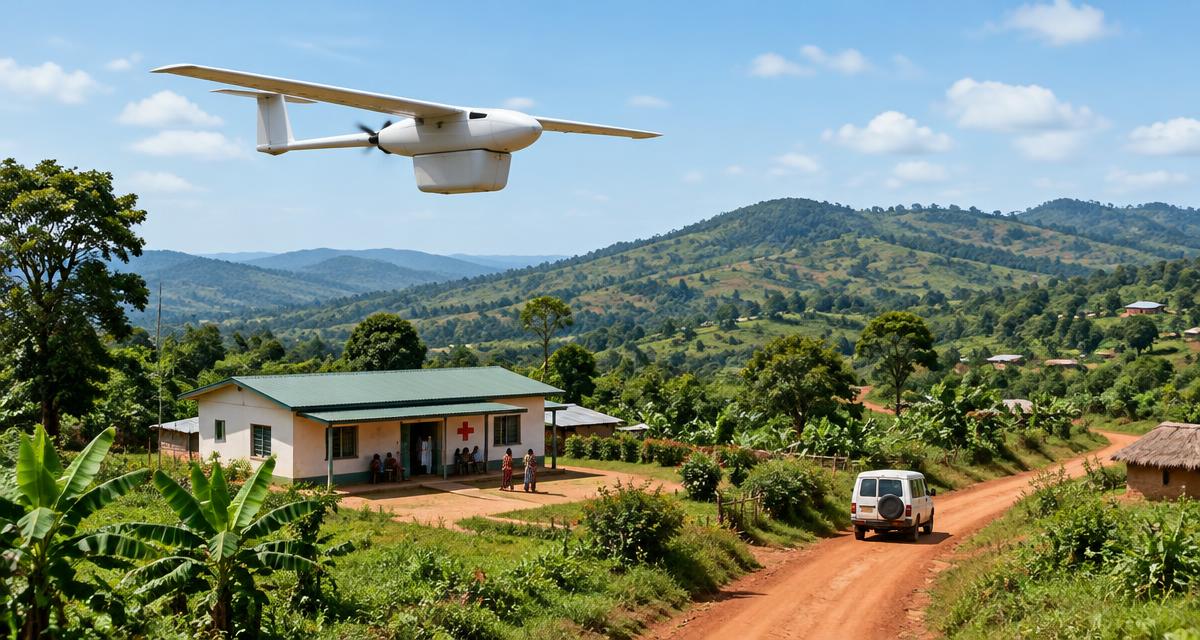
As a diagnostics guy, I’m impressed by Zipline’s “Zips”—fixed-wing drones that hit 110 km/h and cover 160 km round-trip with 1.8 kg of cargo. They’re launched by a supercapacitor catapult, drop payloads via parachute, and land within a 5-meter zone. No traffic jams, no potholes—just precision. Each hub runs like a well-oiled garage, handling 500 flights daily, with software managing traffic and a 2022 microphone system dodging obstacles. Any fleet would want that uptime—one delivery every 60 seconds globally? That’s a fleet manager’s dream.
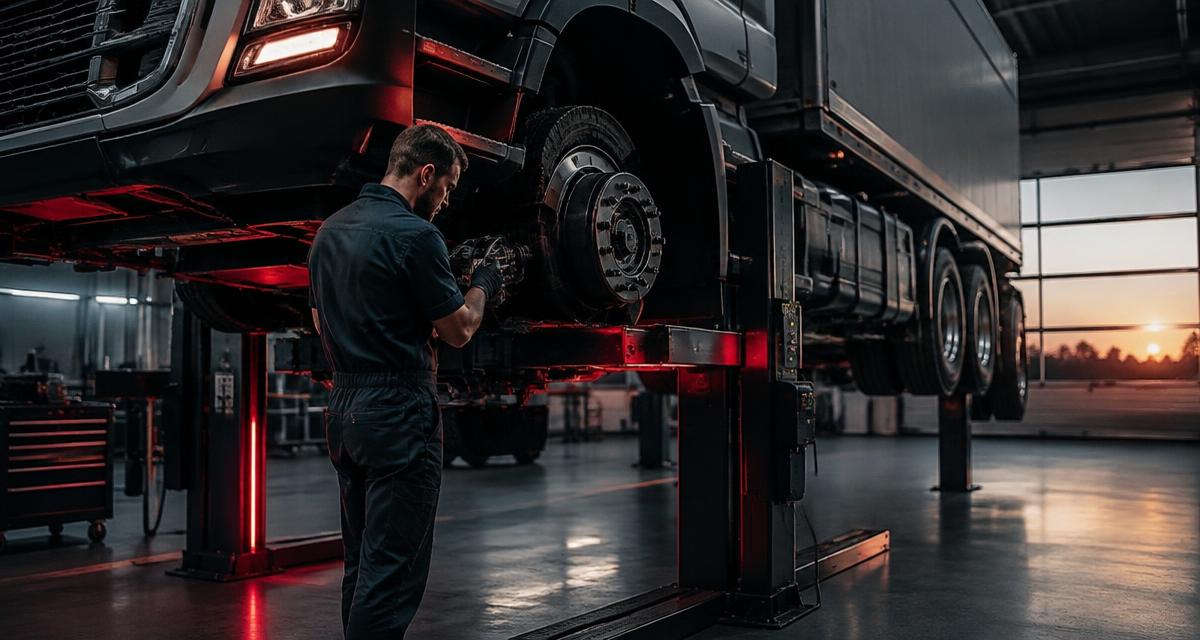
Maintenance-wise, Zipline’s rigorous. Tens of thousands of test flights before going live means they’ve ironed out the kinks. For ground fleets battered by rough roads and congestion, that reliability is the benchmark. Their local teams—trained on-site—keep things running, a model any fleet can copy for its own mechanics.
Healthcare on Wings: Lessons for Every Fleet
Zipline’s healthcare impact hits close to home. In Rwanda, they’ve cut blood wastage by 67% and maternal deaths from hemorrhage by 51%. In Ghana, vaccination rates jumped 13-37 points where they operate. In the United States and Japan, they’re serving clinics and hospitals the same way. The lesson for every fleet: speed saves lives, and drones can reach places where roads are slow or unreliable.
Small clinics benefit too—no need for big inventories when a drone’s an app-tap away. Ground fleets that plan for this—servicing drone hubs or feeding them from the road—will be ready when it arrives.
Small Businesses: A New Gear
Zipline’s Platform 2, launched in 2023, is where it gets personal. Delivering direct to homes—think Walmart or Panera Bread in the U.S.—it’s a lifeline for small businesses. In congested cities from São Paulo and Jakarta to London and Lagos, last-mile delivery is a headache; a single traffic jam can delay a van for hours. Zipline’s drones, cutting emissions and costs, could let smaller businesses compete with the big players. In Rwanda, they’re even delivering farm supplies to rural communities.
Challenges I’d Face—and Zipline’s Facing
Scaling any fleet is tough. Zipline’s hit regulatory bumps in the U.S., though 2023 FAA approvals helped. In many countries, airspace rules and public skepticism could slow drone adoption. Competition’s fierce too—Amazon’s not sleeping. But Zipline’s edge is its purpose: over 500,000 lives saved. For ground fleets, adding drones means new training, new tech, and new risks—but the payoff could be massive.
The Road—or Sky—Ahead
Zipline’s eyeing 700 million people by 2030, from Asia to Latin America. They’re already creating jobs—over 500 in Africa alone. Every fleet operator should be asking: how do we fit in? Maybe it’s diagnostics for drones or hybrid fleets with trucks and Zips. Zipline’s showing us that logistics isn’t just about moving stuff—it’s about moving it smartly.
Final Thoughts
Zipline’s story is inspiring. Their drones are like the perfect fleet—no fuel guzzlers, no breakdowns, just delivery on demand. For healthcare and small businesses, they’re a game-changer. Ground fleets will keep moving most of the world’s goods, but it pays to keep an eye on the sky. Zipline’s not just flying—they’re shifting gears for us all. Let’s talk about it, because this is one revolution no fleet can afford to miss.